
People · Malvern
The famous faces of Malvern: the remarkable people who shaped history
From a world-famous composer and the creator of Narnia to pioneering nurses, celebrated writers and Victorian celebrities.
From a world-famous composer and the creator of Narnia to pioneering nurses, celebrated writers and Victorian celebrities, Malvern has a history full of extraordinary people.
The Malvern Hills are known for their spectacular views, natural springs and peaceful countryside. But look a little closer at the history of this corner of Worcestershire and you’ll discover something else: a remarkable connection to some of the most influential figures in music, literature, science and social reform.
Over the centuries, Malvern has attracted people seeking inspiration, rest, recovery and a quieter pace of life. Some came to take the famous waters, others settled here, and several left a lasting mark on the town.
Here are some of the fascinating historical figures with connections to Malvern that you might not know about.
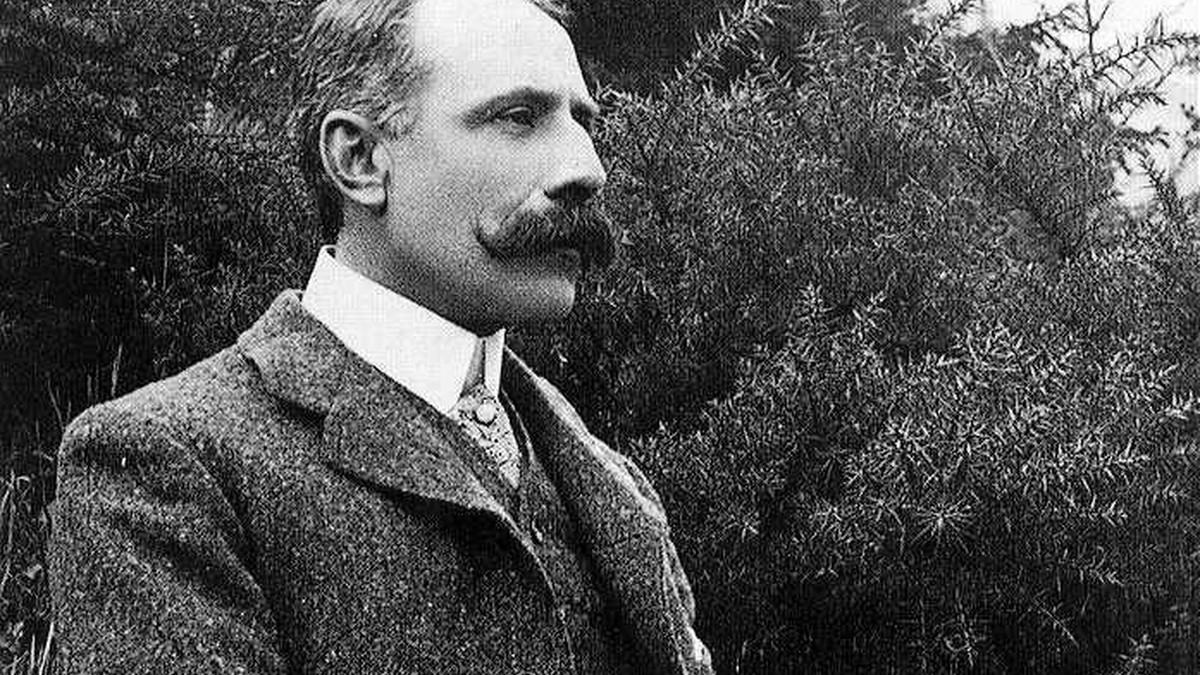
Sir Edward Elgar: music inspired by the hills
Few names are more closely associated with Worcestershire than Sir Edward Elgar (1857–1934).
Although born in Lower Broadheath, near Worcester, Elgar spent important years living and working around Great Malvern. The surrounding countryside became a source of inspiration for the composer, whose celebrated works include the Enigma Variations and the Pomp and Circumstance Marches.
Elgar also played a part in Malvern’s cultural life, working alongside playwright George Bernard Shaw to establish the Malvern Drama Festival in 1929.
Today, his connection to the area remains part of its identity. He is buried at St Wulstan’s Church in Little Malvern, beneath the hills that helped inspire his music.
C. S. Lewis: the schooldays behind Narnia
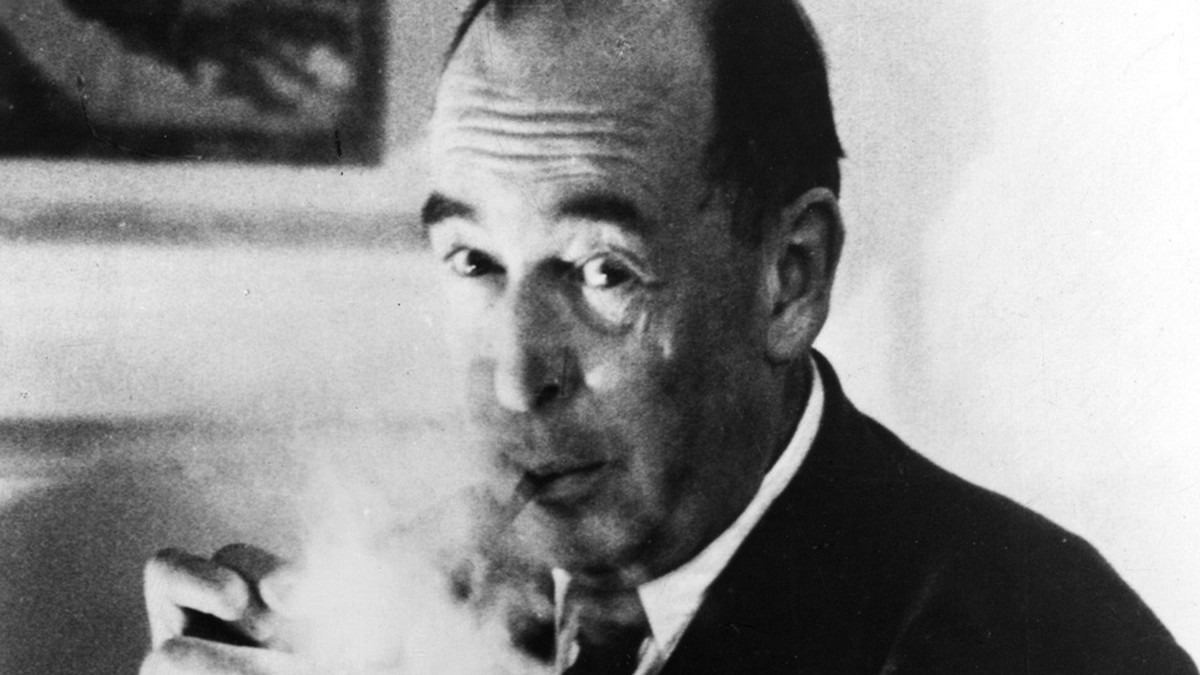
Before readers travelled through the wardrobe into Narnia, C. S. Lewis (1898–1963) spent part of his childhood in Malvern.
Lewis attended Cherbourg House preparatory school and later Malvern College between 1911 and 1914. His time in the town has become part of local literary history.
One particularly intriguing connection is the suggestion that Malvern’s old gas lamps helped inspire the imagery of the lamppost in The Lion, the Witch and the Wardrobe. The landscape and atmosphere of the area are also said to have resonated with his memories of the Mourne Mountains in Northern Ireland.
Lewis would go on to become one of the best-known British writers of the twentieth century, but his early years remain a fascinating part of Malvern’s story.
Florence Nightingale: a pioneer of modern nursing
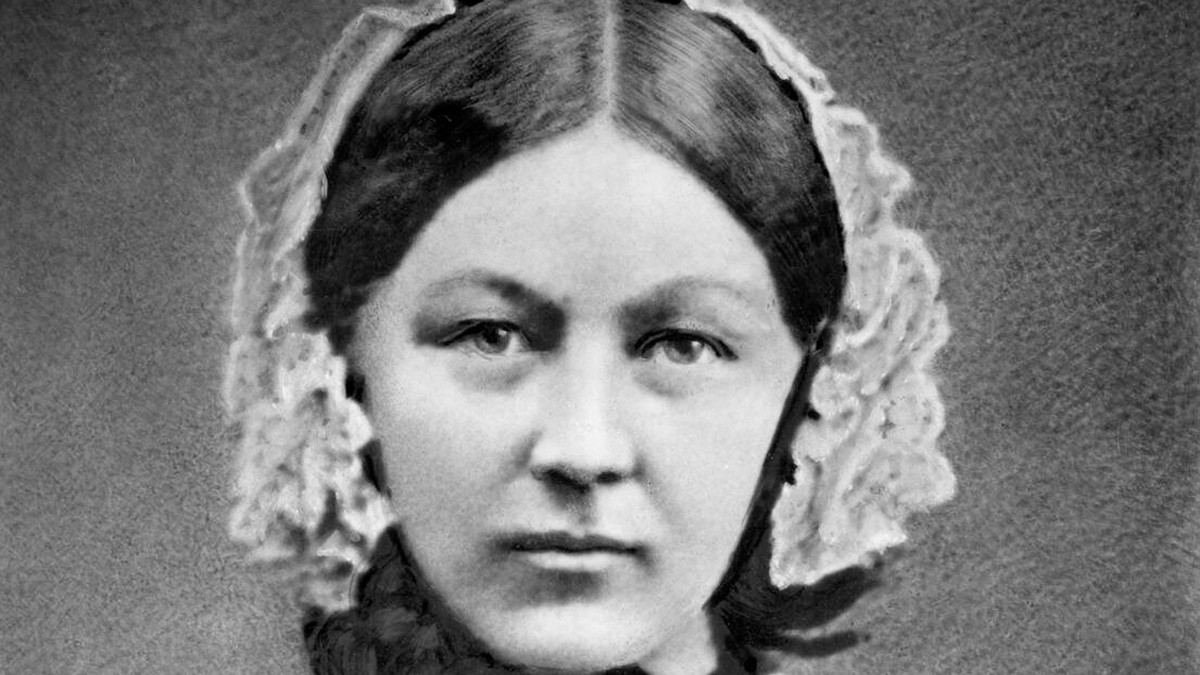
Known around the world as the “Lady with the Lamp”, Florence Nightingale (1820–1910) also had a connection to Malvern.
During the nineteenth century, the town became a fashionable destination for people seeking rest and recuperation, thanks to its growing reputation as a spa resort. Nightingale visited Malvern for periods of recovery.
Her friendship with Swedish opera singer Jenny Lind was another important link between the town and the wider world. Lind helped raise money through her concerts to support Nightingale’s work establishing a nurse-training school at St Thomas’ Hospital in London in 1860.
Their stories connect Malvern to a period of significant change in healthcare and nursing. In 2026, new sculptures of both women were installed in Priory Park, providing a public tribute to their achievements and their shared connection to the town.
Jenny Lind: the Swedish Nightingale
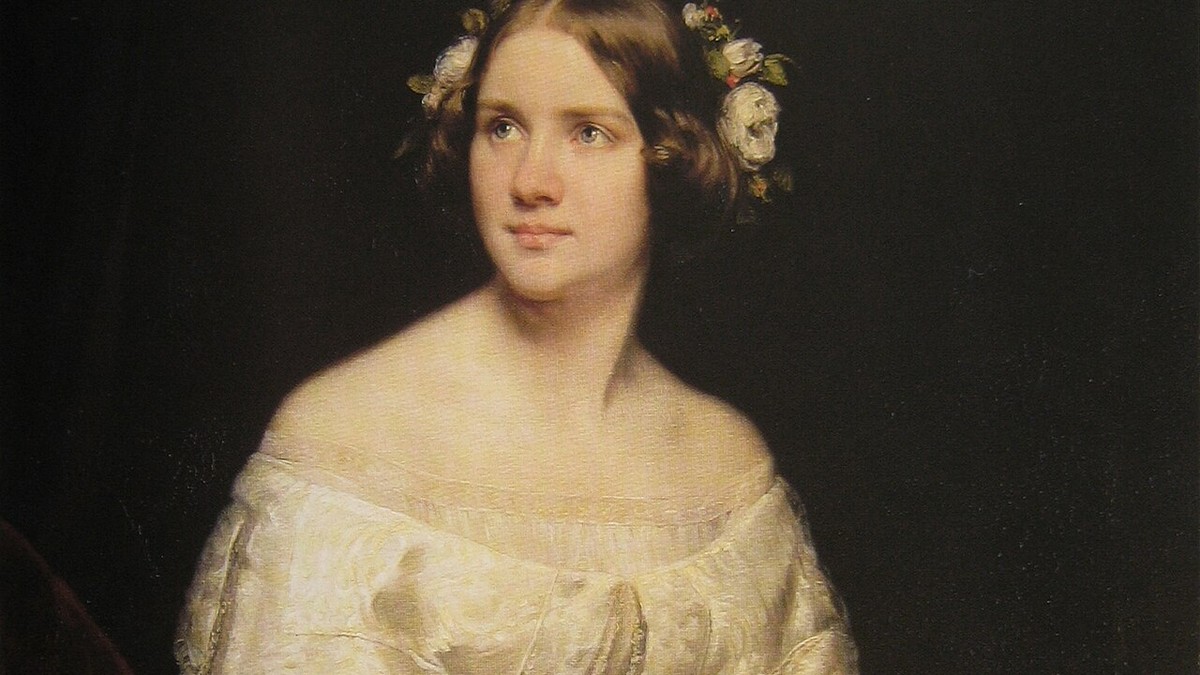
Long before global music tours and celebrity culture, Jenny Lind (1820–1887) was an international superstar.
Known as the “Swedish Nightingale”, Lind was one of the most celebrated opera singers of her era, performing to audiences across Europe and America.
In her later years, she lived at Wynds Point, near British Camp on the Malvern Hills. Her connection to the area lasted until her death in 1887, and she was buried in Great Malvern Cemetery.
Her story is a reminder that Malvern was not simply a quiet country town. During the Victorian era, it attracted people of international standing who chose to make the area their home.
Charles Darwin: a family story in Malvern
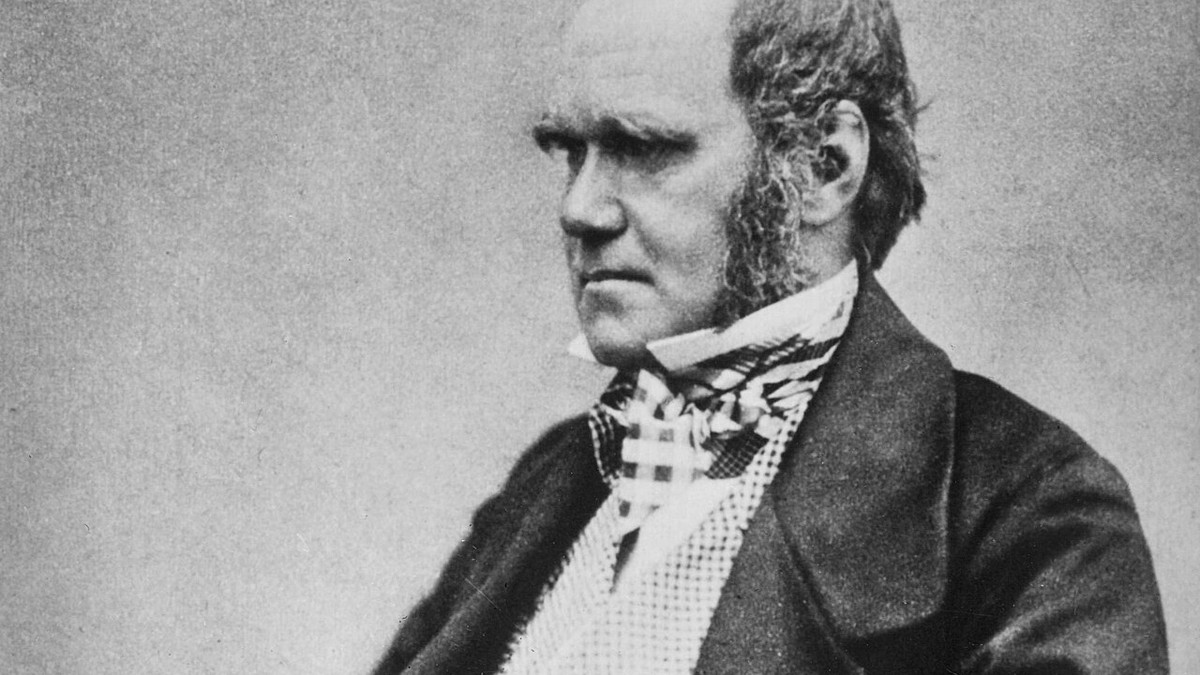
The naturalist Charles Darwin (1809–1882), whose theory of evolution transformed scientific thought, visited Malvern during the Victorian period.
Darwin came to the town with his family, drawn by its reputation for water-cure treatments. His daughter Annie, who was seriously ill, received treatment in Malvern but sadly died there in 1851, aged ten.
She is buried in the churchyard of Great Malvern Priory.
It is a poignant connection between one of history’s most influential scientists and the town’s past as a destination for families seeking medical care. It also reflects the human stories behind the Victorian water-cure movement, when people travelled considerable distances in the hope of improving their health.
Charles Dickens: a literary visitor
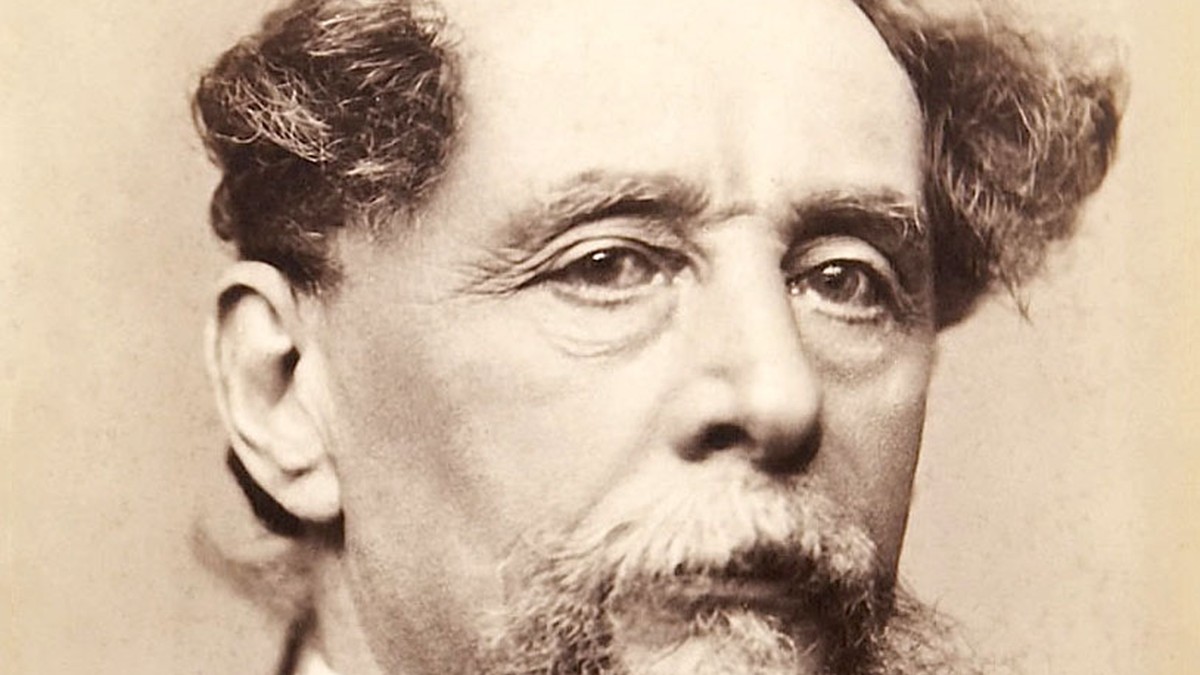
One of Britain’s most famous novelists, Charles Dickens (1812–1870), was among the notable literary figures associated with Victorian Malvern.
Dickens visited the area during the period when the town’s water-cure establishments were attracting wealthy visitors and public figures. Malvern’s reputation as a spa resort brought together a fascinating mix of writers, artists, scientists and social figures.
Although Dickens is not primarily known for his connection to Malvern, his visits form part of the town’s wider literary heritage and illustrate the cultural standing the resort developed during the nineteenth century.
Peter Mark Roget: the man behind the Thesaurus
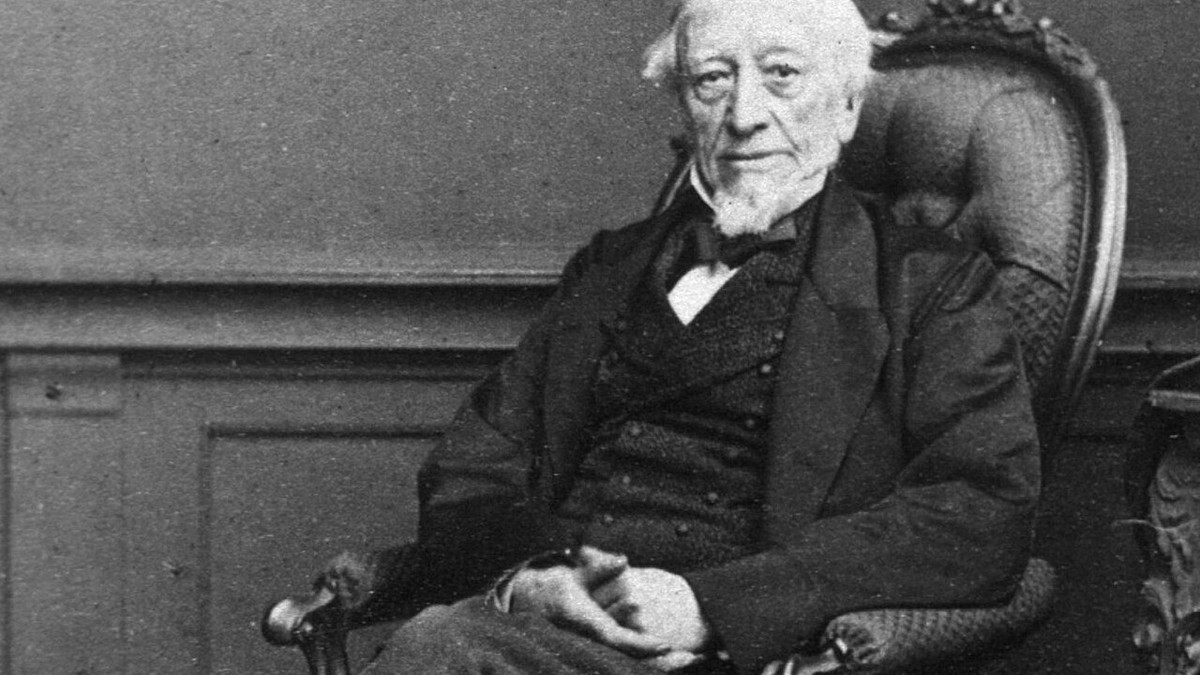
Ever reached for a thesaurus to find the perfect word? You have Peter Mark Roget (1779–1869) to thank.
A physician and scholar, Roget became famous for compiling Roget’s Thesaurus of English Words and Phrases, first published in 1852. His system organised words by meaning, giving writers and readers a new way to find the language they needed.
Roget died while staying in the Malvern area in 1869 and is buried in the churchyard of St James’ in West Malvern.
It is a particularly fitting connection for a town with such a rich literary history.
George Bernard Shaw: theatre on the hills
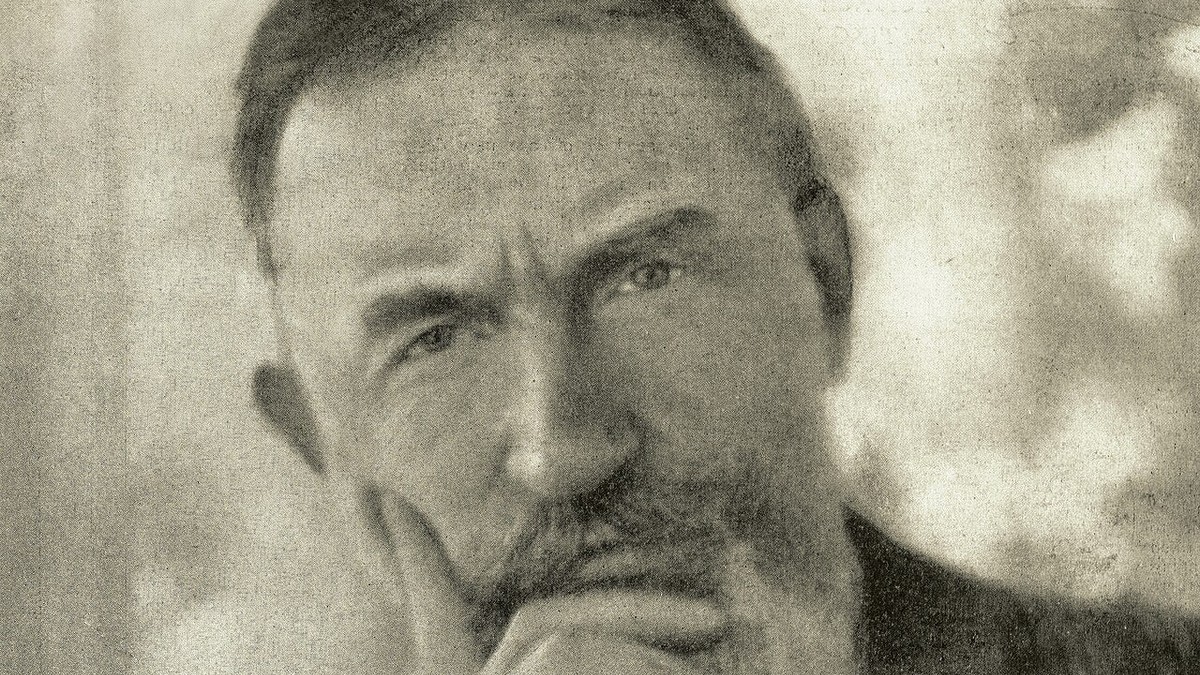
Playwright, critic and Nobel Prize in Literature winner George Bernard Shaw (1856–1950) helped establish Malvern as an important destination for theatre.
Shaw worked with Edward Elgar and theatre impresario Barry Jackson in connection with the Malvern Drama Festival, which began in 1929.
The festival brought writers, performers and audiences to the town, helping develop a cultural tradition that continues through Malvern Theatres today.
Shaw’s association with Malvern is a reminder that the town’s appeal has never been limited to its natural landscape. Its cultural life has also helped define its character.
Dame Laura Knight: an artist drawn to Malvern
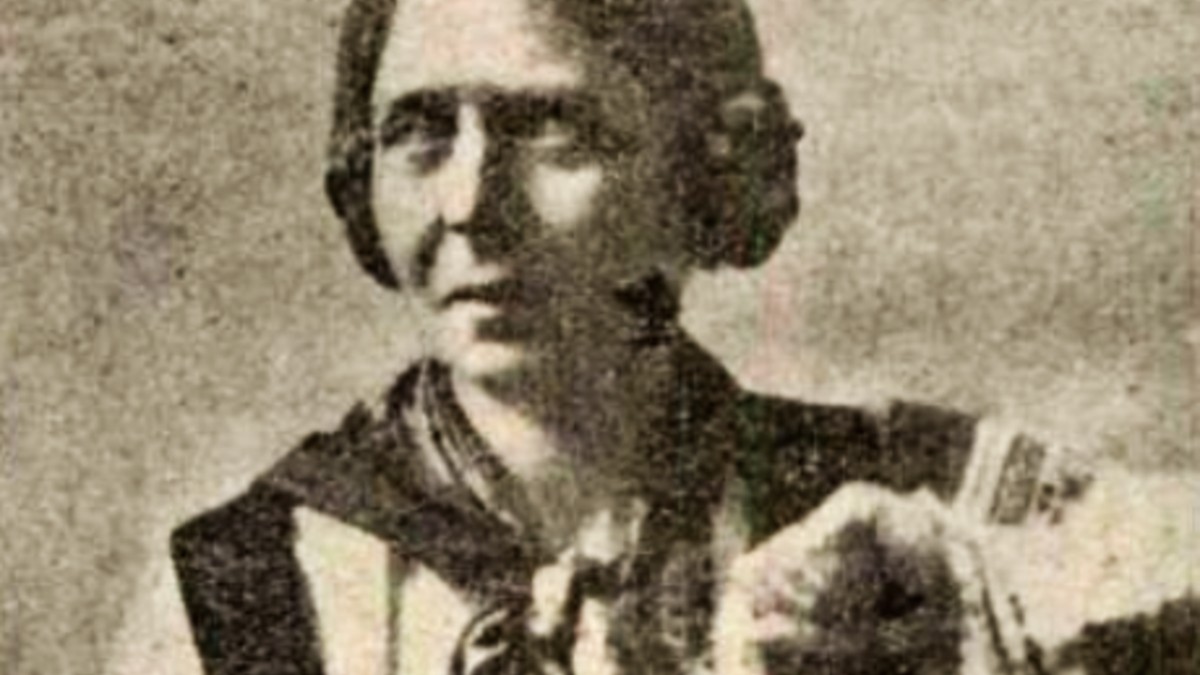
Dame Laura Knight (1877–1970) was one of Britain’s best-known artists of the twentieth century.
Renowned for her vivid depictions of theatre, ballet, circus performers and everyday life, Knight became the first woman since the eighteenth century to be elected a full member of the Royal Academy.
She had strong connections to Worcestershire and visited Malvern, staying at the Mount Pleasant Hotel. Her career helped challenge barriers for women in the art world, making her another notable figure in the area’s creative heritage.
More than a beautiful place
These are just some of the people whose lives intersected with Malvern. The wider story includes writers such as W. H. Auden and J. R. R. Tolkien, the medical reformers who helped establish the town’s water-cure reputation, and international figures who visited during periods of exile or recovery.
What links so many of them is the way Malvern offered something different: a landscape that inspired creativity, a place to rest, or a community with a growing cultural reputation.
Their stories can still be explored today. From Great Malvern Priory and the town’s historic streets to the cemetery where Jenny Lind is buried, the area holds traces of its extraordinary past.
And perhaps that is one of the most interesting things about Malvern. Behind the familiar views of the hills lies a history connected to people whose work continues to shape music, literature, science and society.
Next time you’re walking through Malvern, take a moment to look a little closer. You might be standing somewhere that played a part in an extraordinary life.
Discover more local stories, people and places with MyMalvern.