

As winter begins to take hold, households across Malvern and the surrounding villages are being encouraged to take a few simple steps to prepare their homes for colder weather.
Checking heating systems, reducing draughts and making sure rooms retain warmth can make a noticeable difference over the coming months. In an older house, it might be a gap beneath a door. In another, a sofa pressed against the radiator. Small details are worth noticing before the colder nights arrive.
For many households, the challenge is not simply keeping warm but doing so while managing energy bills. Taking action early can help residents stay comfortable, reduce wasted energy and identify problems before temperatures drop further. Just as importantly, it can mean knowing where to turn when the cost becomes difficult to manage.
Where does your home lose heat?
A closer look
Where your home loses heat
Warmth can escape through the fabric of a building as well as through gaps around windows and doors. Insulation, draught-proofing and efficient heating controls can all help a home retain heat, but the right approach depends on the property.
Do not block air bricks, extractor fans, trickle vents or ventilation needed by heating appliances. Keeping a home warm must go hand in hand with managing moisture and maintaining safe airflow. If you are unsure, ask for advice before sealing a gap.
Small steps, a warmer home
Five checks to make around your home
0 of 5 checks complete
A simple winter heating routine
There is no single schedule that suits every household. A few habits, fitted around when you are at home, can help you make better use of the warmth you already have.
Morning
- Make the most of natural daylight.
- Heat the rooms you’re using.
- Check your heating schedule is working as intended.
During the day
- Keep doors closed where practical.
- Avoid unnecessary heating in unused rooms, without letting them become cold or damp.
- Keep radiators and heating controls working efficiently.
Evening
- Close curtains as temperatures fall.
- Check windows and doors for draughts.
- Keep warmth in the rooms you’re using.
Help with the cost of keeping warm
If paying for heating means choosing between essentials, it is worth asking for help. Worcestershire County Council’s Crisis and Resilience Fund supports residents facing financial crisis, with awards assessed according to individual circumstances.
For households in the surrounding villages that rely on heating oil or LPG, the cost of a delivery can be a particular pressure. Dedicated support is available through Act on Energy for eligible households facing acute difficulty.
What if your heating breaks down?
A heating fault can turn an ordinary winter week into a difficult one, especially when there is little room in the household budget. Do not ignore recurring problems or attempt repairs you are not qualified to carry out.
Residents experiencing a breakdown and financial hardship may be able to access advice or assistance with essential repairs or emergency household costs. The council’s guidance includes support with heating repairs and replacements, but eligibility, assessment and available funding determine what help can be offered. A boiler repair or replacement is not guaranteed.
If you cannot afford a repair, speak to Act on Energy or a Worcestershire Advice Network partner early. Tenants should also report faults promptly to their landlord or housing provider.
Could your home benefit from improvements?
Beyond the everyday checks, some homes would benefit from a longer-term approach. Loft insulation, suitable wall insulation, draught-proofing, better heating controls and more efficient heating systems can all be worth exploring.
Not every measure suits every home. Older buildings need particular care over ventilation, moisture and the materials used. Ask for independent advice before committing to major work.
Grant schemes may be available depending on property type, household circumstances and current funding. Act on Energy can help you understand the options and check which schemes are actually open. Do not assume a scheme mentioned in an older article is still accepting applications.
Looking out for one another
Winter preparation is not only about our own front doors. An older neighbour, someone living alone or a friend managing a health condition may find colder weather harder to cope with, particularly if they are struggling to keep their home warm.
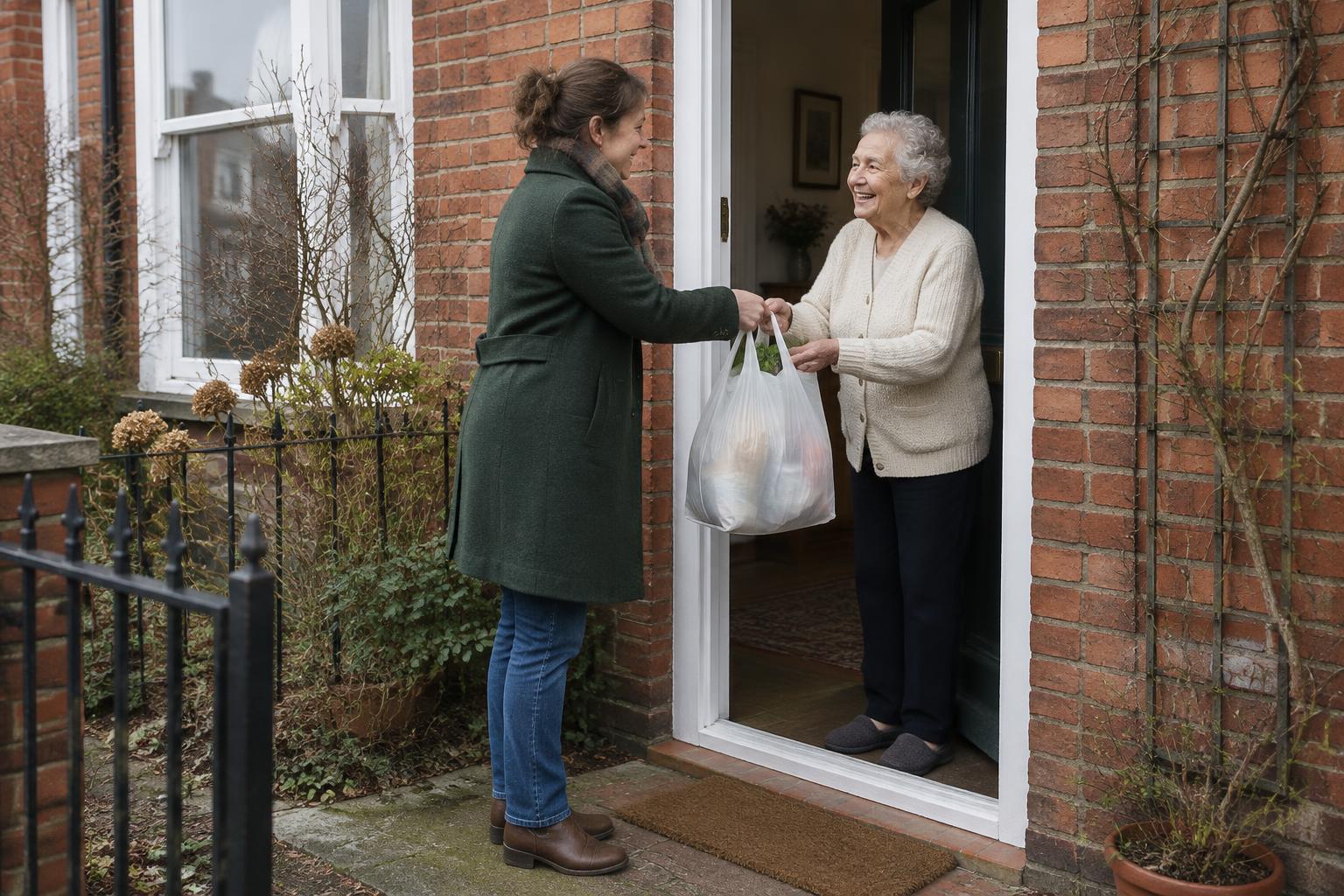
A phone call, an offer to pick up shopping or a simple check that someone’s heating is working can make a real difference. Ask what would help rather than assuming, and keep the conversation gentle. Nobody should feel embarrassed about needing support.
Our guide to looking after your mental health in Malvern brings together more local places to turn.
Useful contacts
Where to find help
Worcestershire Crisis and Resilience Fund
Current guidance on crisis support and help with essential living costs.
Worcestershire Advice Network
Local advice for people experiencing financial or other difficulties.
Energy Saving Trust
Practical guidance on reducing wasted energy and making your home warmer.
Met Office
Official advice on staying safe and well during cold weather.
Preparing for winter doesn’t have to mean making expensive changes. A few simple checks, small improvements and knowing where to turn for help can make a difference as temperatures continue to fall.
For residents across Malvern and the surrounding villages, looking after our homes, and looking out for one another, will be important throughout the colder months.
Support information checked against Worcestershire County Council and Act on Energy guidance on 19 November 2026. Eligibility, funding and availability may change. Images are illustrative, not photographs of local residents or a specific Malvern home.