
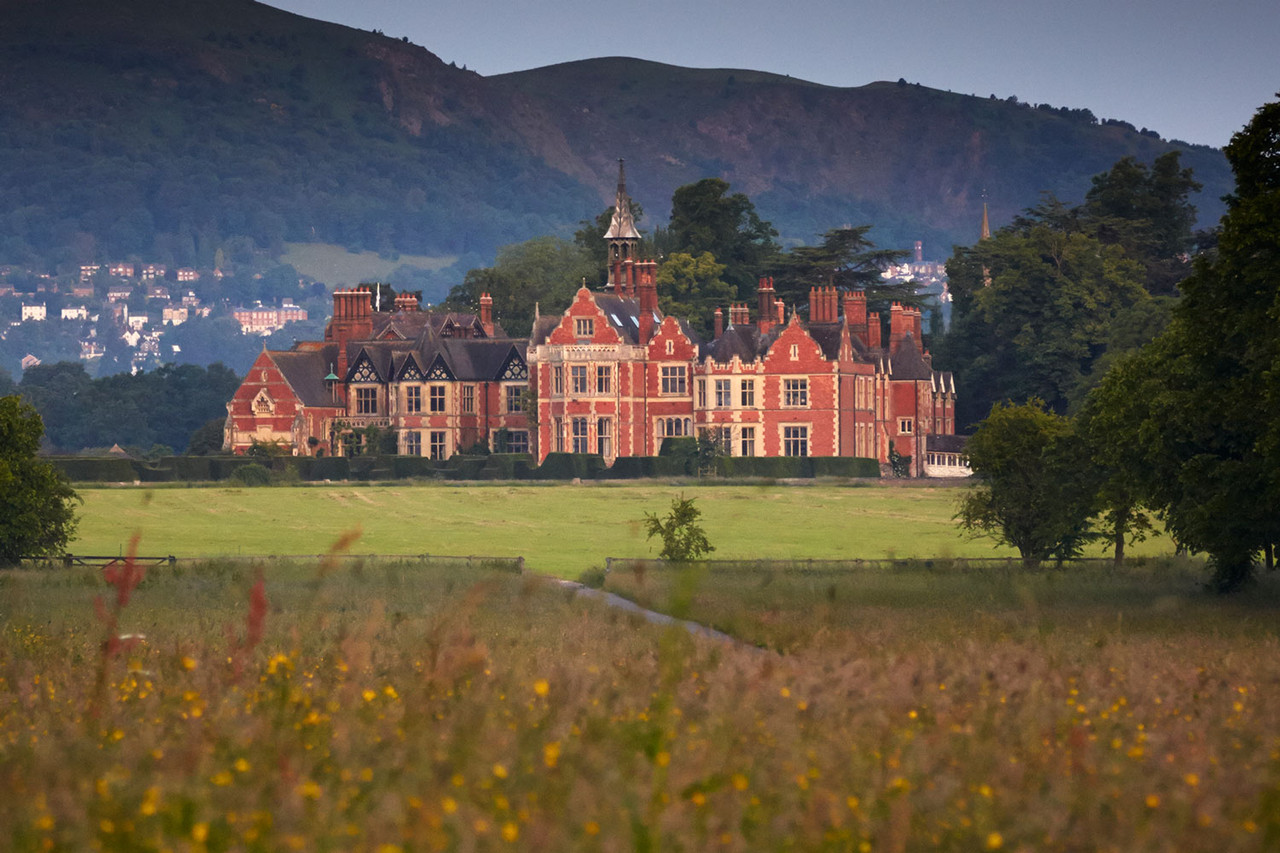
Madresfield Court is not simply a country house. Encircled by a medieval moat and set against the quiet landscape east of the Malvern Hills, it is a place where nine centuries of English history, royal connections, literature and artistic brilliance meet.
Nine centuries in one family
The estate's history stretches back to the late 1100s, and remarkably, the house has never been bought or sold. While many great English houses changed hands or fell into decline, Madresfield has passed down through inheritance for more than nine hundred years, held continuously by the Lygon family and their descendants.
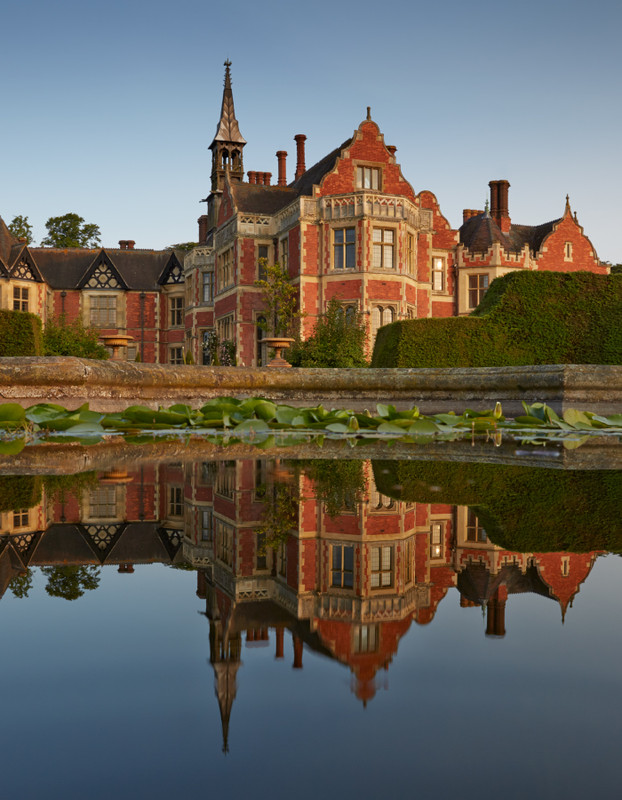
Its ancient moat is one of the few completely intact water-filled moats in Worcestershire. During the English Civil War in the 1640s, the house was garrisoned for King Charles I and besieged by Parliamentary forces, surviving artillery fire across its grounds.
Centuries earlier, Queen Elizabeth I visited Madresfield during her royal progress in 1575, and King George III would later be welcomed here while taking the spa waters in the region.
Arts and Crafts treasures
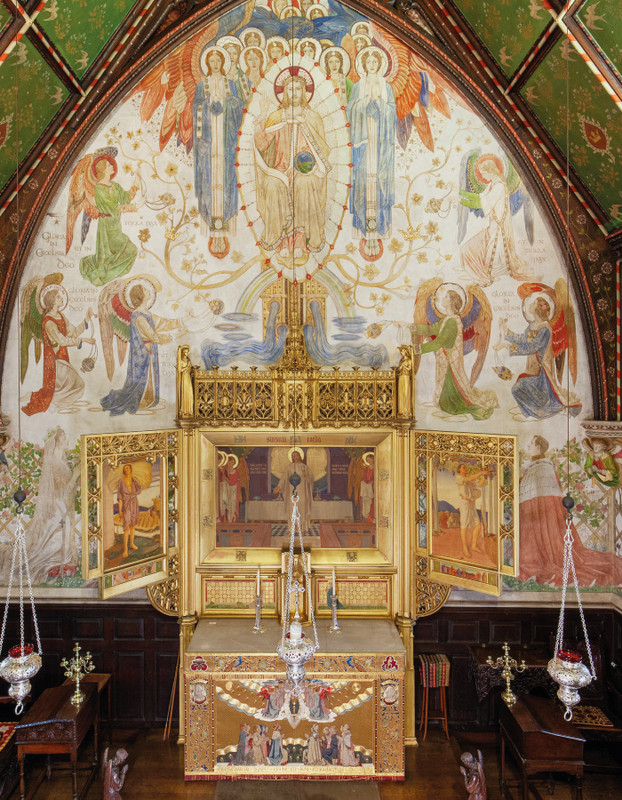
Inside, Madresfield contains one of the finest Arts and Crafts interiors anywhere in Europe.
At its heart is the private chapel, commissioned in 1902 by Countess Beauchamp as a wedding anniversary gift for her husband. Artists and craftspeople from the Birmingham Guild of Handicraft spent years covering every inch of the walls and ceiling with hand-painted murals, rich gilding and delicate botanical details.
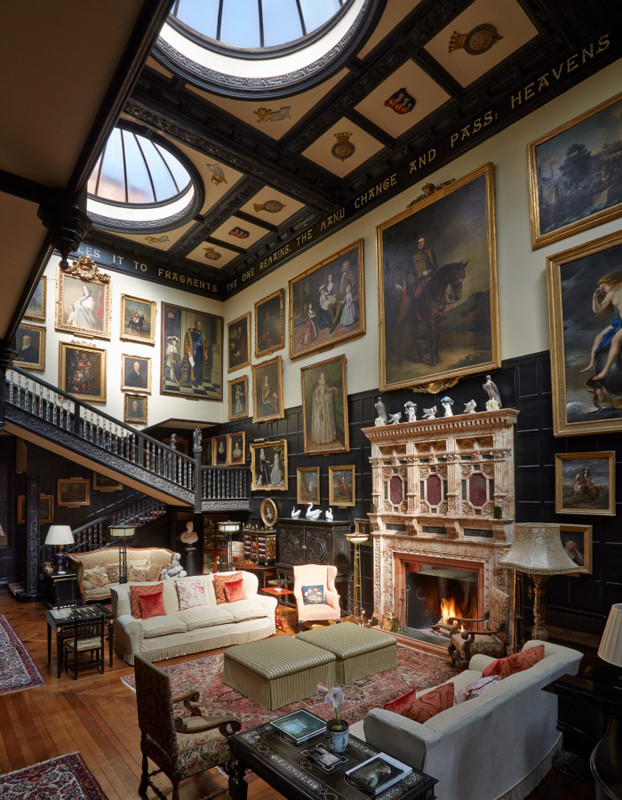
Alongside it sits the celebrated library, designed with carved woodwork by C. R. Ashbee, complete with hidden doors and bespoke furniture that reflect the peak of the British Arts and Crafts movement.
The real Brideshead
Madresfield has a celebrated place in twentieth-century English literature. In the early 1930s, the novelist Evelyn Waugh was a close friend of the Lygon children, visiting the estate frequently.
The grand moated house, the aristocratic lifestyle and the eccentric siblings left an unforgettable impression on the young author. When Waugh published Brideshead Revisited in 1945, the house and the family were widely recognised as the inspiration behind the Flyte family and their beloved ancestral seat.
Elgar and the Enigma riddle
Sir Edward Elgar was another regular visitor to Madresfield Court. The composer frequently cycled over from Malvern, walking the gardens and playing the organ in the chapel.
Elgar formed a close friendship with Lady Mary Lygon, who was a passionate supporter of local music and helped launch musical festivals across Worcestershire.
When Elgar composed his masterwork, the Enigma Variations, in 1899, he dedicated Variation XIII (marked simply with asterisks) to Lady Mary as she set sail on a voyage to Australia. Within the melody, Elgar quietly wove in a quotation from Mendelssohn's Calm Sea and Prosperous Voyage: a personal musical riddle for his friend at Madresfield.
A secret wartime refuge
During the Second World War, Madresfield Court held a discreet role in national defence. With the Blitz raging over London, the estate was secretly prepared as an emergency refuge for the young Princess Elizabeth and Princess Margaret.
Cellars were reinforced, emergency rations were stockpiled and confidential contingency plans were laid to evacuate the young royals to the Worcestershire countryside if invasion threatened. Though the princesses remained closer to Windsor throughout the conflict, the quiet estate stood ready as their royal sanctuary.
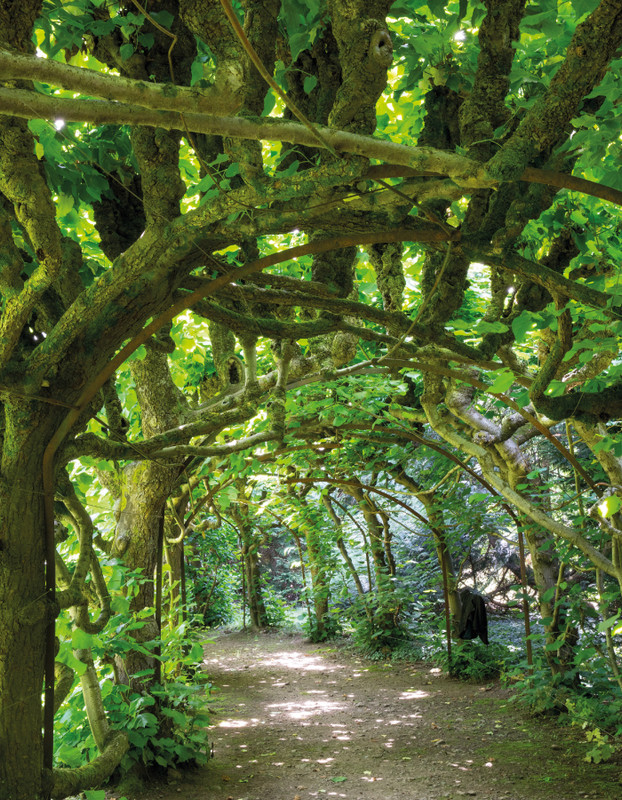
Visiting today
Madresfield remains a cherished family home, which gives it an intimacy rare in houses of this scale. Guided tours are held on selected dates during spring and summer, offering visitors a pre-booked look through the staterooms, chapel and grounds.
The estate also remains directly woven into everyday Malvern life. Its working farm supplies locally reared, grass-fed beef and lamb straight to Madresfield Butchers and Grill on Church Street in the centre of town.
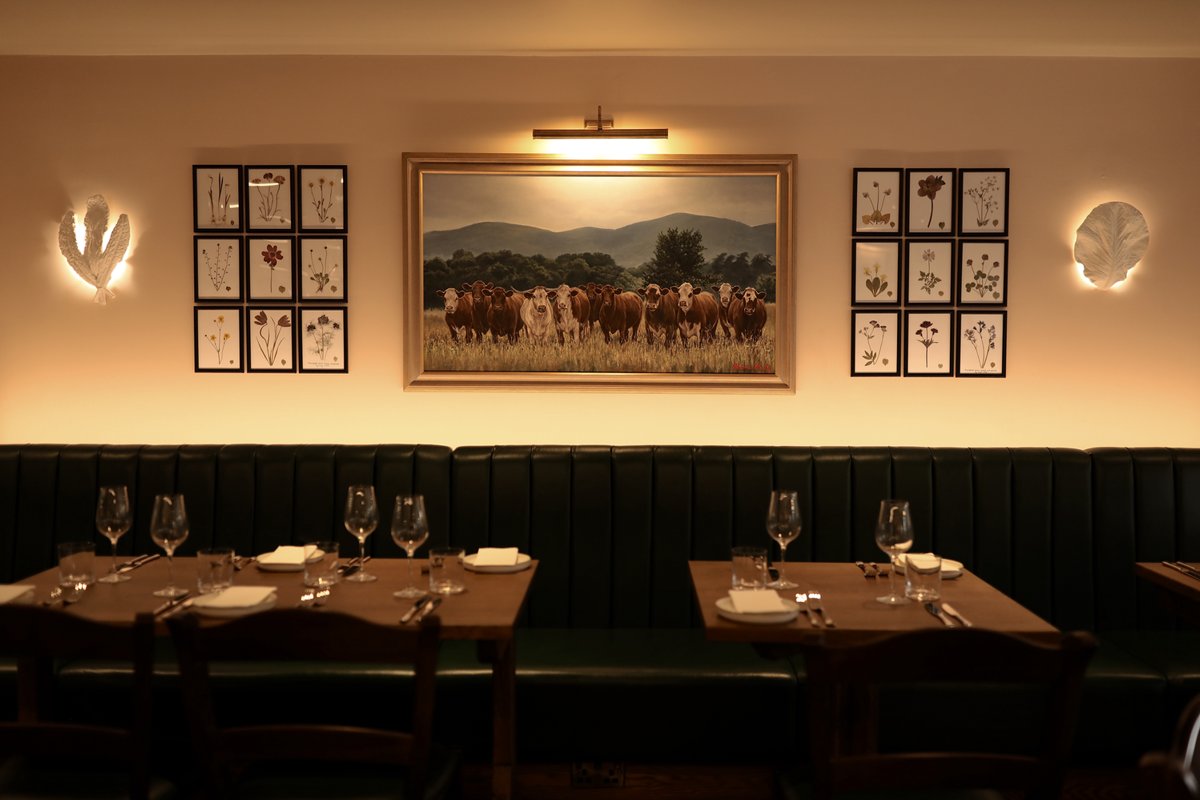
The next time you catch sight of the estate's tree-lined avenues on the edge of Malvern, it is worth remembering just how many chapters of history are preserved behind its moat.